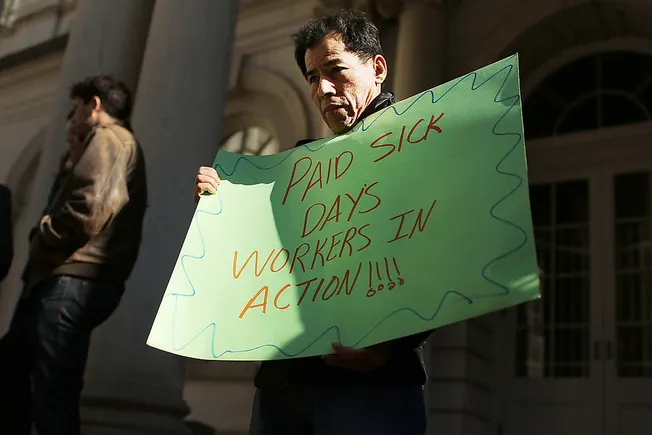
Regardless of growing investment in well-being programs, few workers really feel supported by their office’s sick depart and psychological well being applications — and aren’t certain whether or not they can actually take day off with out penalties, according to a July 10 report from TEAM Software program.
Whereas 39% of staff mentioned they’ve taken a psychological well being day, solely 10% felt comfy being trustworthy with their employer about it — and acquired a constructive response. One other 19% have disguised their psychological well being days as bodily sickness days, and 11% informed their employer the reality however felt dismissed or unsupported.
“That silence typically results in secrecy,” in line with the report. “The end result? A tradition the place worry, not belief, shapes how day off is requested.”
In a survey of 1,000 U.S. staff, 42% mentioned they’ve exaggerated bodily signs to justify taking day off for his or her psychological well being, together with two-thirds of Technology Z staff and half of millennials. Past that, 22% of Gen Z workers mentioned they’ve fully lied about bodily signs to take a psychological well being day.
Generational attitudes about psychological well being add one other facet to the sick depart dilemma, the report discovered. In the course of the previous yr, 86% of Gen Z staff mentioned they’ve skilled stress or burnout that negatively affected their productiveness, in comparison with 36% of child boomers and 61% of workers general.
As well as, older generations had been much less more likely to acknowledge the necessity for a psychological well being day, with 55% of child boomers saying they’ve by no means wanted one, in comparison with 14% of Gen Z.
“The info factors to a cultural shift nonetheless in progress, the place youthful staff acknowledge psychological pressure however don’t but belief their office to deal with it as legitimate,” in line with the report.
The hidden prices of insufficient sick depart insurance policies at the moment are including up, the report discovered, with better turnover, increased healthcare claims and decrease productiveness. A 3rd of staff mentioned they skilled mind fog or a scarcity of focus from overworking, in addition to bodily sicknesses, sleeping points, nervousness or panic assaults, poor consuming habits and drops of their work efficiency.
Notably, 35% mentioned they labored by way of an sickness, solely to change into sicker and have to miss extra time. In distinction, the report discovered, ample sick depart insurance policies result in higher worker morale, retention and efficiency.
“Within the story these statistics inform, sick depart isn’t an employer-provided perk. It’s in the end a structural necessity. It safeguards each private well being and enterprise continuity,” in line with the report. “Till clear, beneficiant and stigma-free insurance policies change into the norm, the true value of sick days will proceed to floor not on timesheets however within the hidden debits of burnout, turnover and misplaced human potential.”
Trending Merchandise


CRAFTSMAN Pliers, 8 & 10″, 2Piece Groove Joint Set (CMHT82547)


TT TRSMIMA Safety Harness Fall Protection Upgrade 4 Quick Buckles Construction Full Body Harness 6 Adjustment D-ring


BIC Wite-Out Brand EZ Correct Correction Tape, 19.8 Feet, 4-Count Pack of White Correction Tape, Fast, Clean and Easy to Use Tear-Resistant Tape Office or School Supplies

![KwikSafety – Charlotte, NC – TSUNAMI KIT [Premium BRAIDED ROPE] Vertical Lifeline, 1-D Ring Safety Harness, Lightweight Tool Lanyard, Roof Anchor, 20L Dry Bag ANSI OSHA Fall Protection System / 50 FT.](https://m.media-amazon.com/images/I/51inmgg4jlL._SS300_.jpg)